

From Waste to opportunity

Where to Start your Zero-waste Journey

The fashion and textile industry is undergoing a remarkable transformation. As sustainability and circularity move from niche concepts to business priorities, more companies are looking for practical ways to reduce waste while creating value. One promising approach is zero-waste design, a creative methodology that minimizes or eliminates textile waste during the design and production process.

Following the recent upcycling workshop organized as part of the TEX-DAN initiative, we would like to encourage you to explore how zero-waste practices can become an achievable and rewarding part of your collections. Whether you are a small fashion brand, a manufacturer, or an established textile company, there are inspiring tools and resources available to help you take the first steps.

In this article, we will share with you a few resources we found particularly helpful for anyone starting their journey.

Why Zero-Waste Design Matters

Traditional garment production often results in significant material loss. Depending on the product and production method, up to 15% of fabric can become cutting waste before a garment even reaches the consumer. In a world increasingly focused on resource efficiency, this represents both an environmental challenge and a missed business opportunity.

Zero-waste design rethinks the way products are created. Instead of designing first and accepting waste as inevitable, designers develop patterns and products that use the entire piece of fabric. The result is a process that conserves resources, reduces costs, and encourages innovation.

Importantly, adopting zero-waste practices does not require companies to completely reinvent their business overnight. Small changes and experimentation can lead to meaningful results and open the door to more circular business models.

A focused young woman studying with books and a computer at her home office desk.

Learning from Existing Resources

One of the most encouraging aspects of the zero-waste movement is the growing community of designers, educators, and organizations sharing their knowledge freely.

A great starting point is the Zero Waste Pattern Database, which offers a wide collection of free pattern resources and examples. Companies looking for inspiration can explore how designers around the world have approached waste-free garment construction and adapted these techniques to different styles and markets.

The DIY Zero-Waste Pattern Archive developed by Milana VJC is another excellent resource. This collection showcases innovative approaches to pattern development and demonstrates that sustainability and creativity can go hand in hand. Rather than limiting design possibilities, zero-waste thinking often leads to fresh ideas and unique product concepts.

For companies seeking more comprehensive guidance, Liz Haywood’s Zero Waste Resources provide valuable educational materials, practical examples, and insights from one of the leading voices in zero-waste fashion design. These resources can help teams better understand the principles behind zero-waste methodologies and identify opportunities for implementation within their own product development processes.

Useful resources:
DIY Zero-Waste Pattern Archive by Milana VJC: https://www.reformonsnous.fr/archives-diy-zero-waste-pattern-milanavjc
Zero Waste Pattern Database: https://zerowastepatterndatabase.wordpress.com/category/price/free/
Liz Haywood Zero-Waste Resources: https://lizhaywood.com.au/zero-waste-resources/

Starting Small, Thinking Big

For many companies, the idea of redesigning collections around zero-waste principles can seem challenging. However, successful implementation often begins with small pilot projects.

Consider identifying a single product category where pattern optimization could be tested. Explore opportunities to repurpose production offcuts into accessories or complementary products. Encourage design teams to experiment with pattern layouts that maximize fabric utilization. These initiatives not only reduce waste but can also generate new product stories that resonate with increasingly sustainability-conscious consumers.

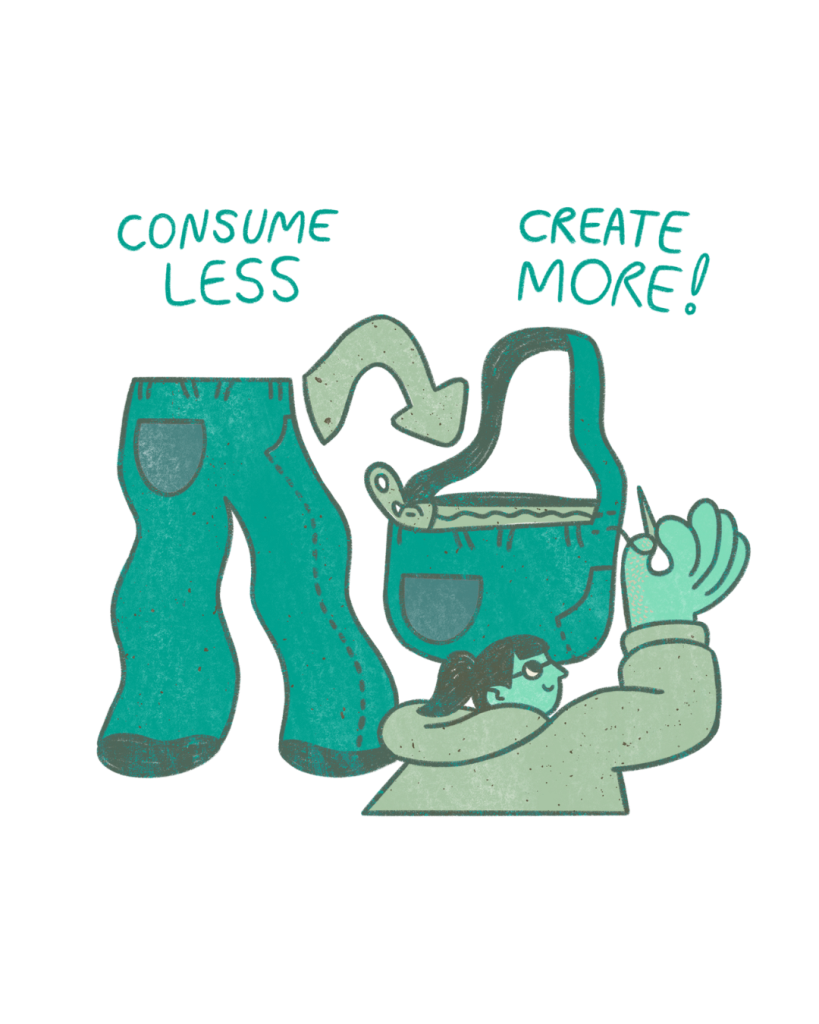
Upcycling can also play a valuable role. By transforming surplus materials, deadstock fabrics, or production remnants into new products, companies can extend material lifecycles and create collections with a distinctive circular narrative.

Circularity as a Competitive Advantage

Consumers, retailers, and regulators are all placing greater emphasis on sustainable practices. Companies that proactively embrace circular approaches are positioning themselves for long-term resilience and market relevance.

Beyond environmental benefits, zero-waste and circular design strategies can strengthen brand identity, inspire innovation, and uncover efficiencies within production processes. They encourage teams to view materials not as disposable inputs but as valuable resources that deserve to be fully utilized.

Most importantly, these approaches demonstrate a commitment to responsible business practices, something that is increasingly valued across the entire textile value chain.

So it’s important not only to adopt the practice, but also make it work with your story and your business environment to ensure your business becomes more competitive thanks to the change rather than despite it.

Looking ahead

Ready to Explore Zero-Waste Solutions?

The transition toward circularity is not a destination reached overnight; it is a journey built through learning, experimentation, and collaboration. The recent upcycling workshop we organized highlighted the creativity and enthusiasm that already exists within the textile sector around these solutions, and it showed that practical solutions are within reach for companies of all sizes.

As part of the TEX-DAN project, we are committed to supporting businesses as they explore new approaches to sustainable innovation. We believe that by leveraging existing resources, testing new ideas, and embracing circular thinking, companies can turn textile waste into opportunity while contributing to a more sustainable future for the industry.

If your company would like to learn more about implementing zero-waste design, upcycling strategies, or broader circular economy practices, Reginnova NE is here to help.

Contact us to discuss opportunities, discover available support, and explore practical solutions tailored to your business. Together, we can transform sustainability challenges into innovation opportunities and build a more circular textile industry.