
Reginnova NE March Newsletter
The first quarter of 2026 has brought fresh momentum across the fashion and textile industry, from circular business models and sustainable textiles to digital innovation, skills development, and stronger European collaboration. At Reginnova NE, we are excited to see these conversations evolving at both industry and community level, and proud to contribute to the industry through new projects, partnerships, and local initiatives.
Trends and Updates
As the fashion and textile sector continues to evolve, leading organisations are offering valuable insights into the trends shaping its future. From circular business models to digital innovation, these perspectives highlight both the challenges and opportunities ahead.
Global textile trends are becoming faster, smarter, and more local
Global Textile Times highlights how fashion trends are now reshaping the global textile landscape much more directly. The article points to sustainability, customization, digital transformation, nearshoring, and slow fashion as major forces influencing materials, production methods, and supply chains. It is especially relevant for SMEs and manufacturers trying to stay competitive in a market where agility and responsiveness matter more than ever, according to the article.

Circular business models are moving to the center of fashion strategy
A key takeaway from the Ellen MacArthur Foundation is that fashion’s future growth will increasingly depend on circular business models such as resale, rental, repair, and remaking. Their analysis shows that these models can reduce dependence on virgin production, cut emissions, and unlock major market value, while helping brands respond to shrinking margins and growing environmental pressure. For businesses looking at the future of sustainable fashion, this article is essential reading.
Fashion leaders are preparing for a more demanding 2026
In The State of Fashion 2026, McKinsey describes an industry that has moved beyond uncertainty and into a period where constant change is the norm. Their report stresses that brands now need stronger capabilities, more agility, and sharper responses to economic volatility, evolving consumer priorities, and rapid technological disruption. For anyone tracking fashion industry trends 2026, this report offers a valuable strategic lens.
Textiles remain high on Europe’s sustainability agenda
The European Environment Agency underlines why textiles and circular economy policy remain so important in Europe. Textile consumption in Europe causes the third highest pressure on the environment and climate, and the EEA points to the need for circular design, longer use, recycled materials, and behaviour change. The European Environment Agency also notes that, from 2025, EU Member States must have separate collection systems for textiles in place, making this a crucial area for innovation and action. For businesses, this signals a clear transition toward more sustainable and circular value chains. Companies can expect increasing regulatory requirements, but also new opportunities to innovate, particularly in eco-design, circular business models, and material innovation. Those that adapt early will be better positioned to meet both policy expectations and growing consumer demand for more responsible textile products.
Fabric innovation is taking off in 2026
Heuritech’s overview of textile trends and technologies for 2026 shows just how quickly material innovation is moving. Bio-based and recycled materials are becoming more mainstream, while smart textiles, self-healing fabrics, and advanced performance solutions are opening new possibilities for product development. For brands and innovators, the message is clear: fabric innovation is no longer a niche topic, but a strategic priority.
What’s New at Reginnova NE
From European partnerships to local stories and hands-on innovation, this quarter has been an exciting one for Reginnova NE. Here’s a look at what we’ve been working on.
Reginnova NE joins the Pact for Skills community
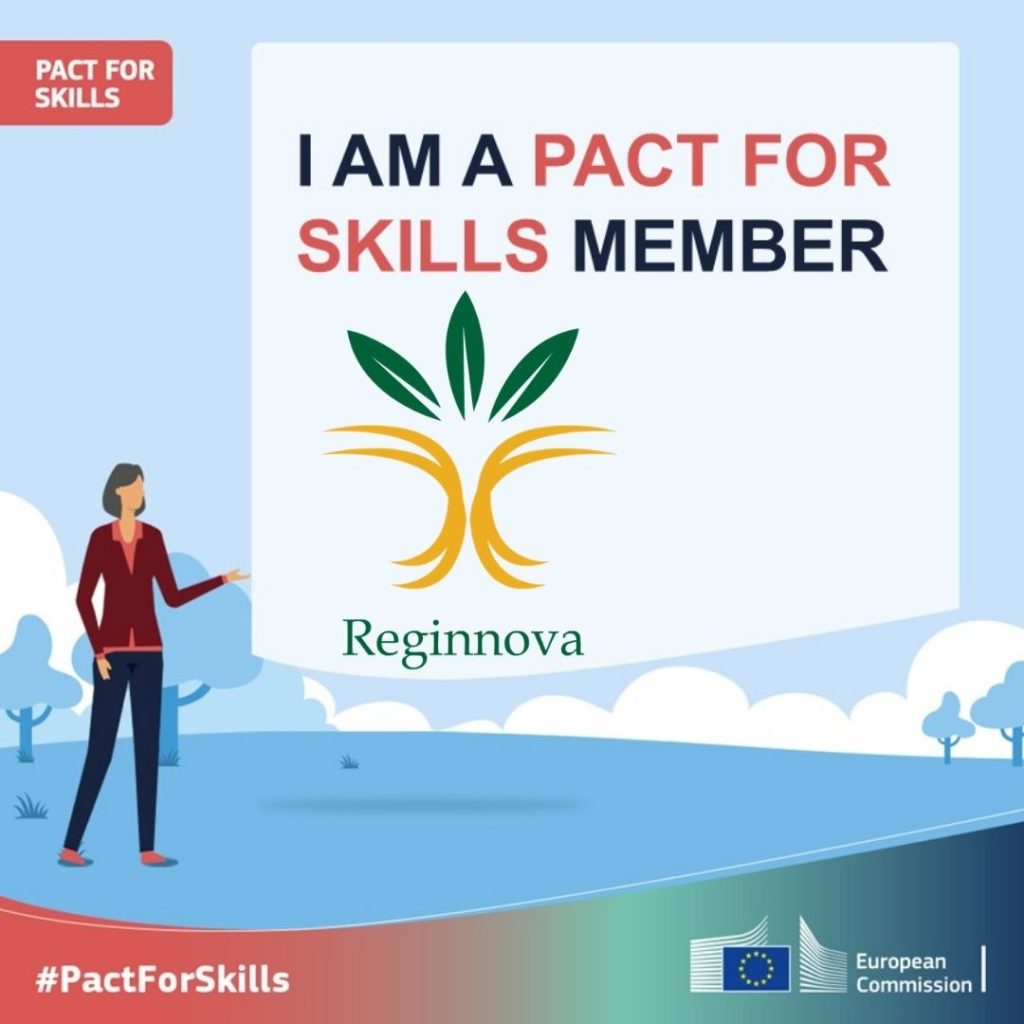
This quarter, Reginnova NE officially joined the European Commission’s Pact for Skills community and is now featured on the Find Partners page. This is an important step in strengthening our role in skills development, green transition, and digital transformation in Europe. It also opens new opportunities for collaboration, learning, and impact across the wider fashion and textile ecosystem. Read more in our article on joining the Pact for Skills community.

Preserving heritage through stories of traditional folk mask makers
We were also proud to publish four inspiring features on local artisans keeping Romanian traditions alive: Ana Cazac from Bucovina,
Bogdan Bârzu,
Constantin Curecheriu from Moldova and Dănuță Stan from Botoșani. These stories remind us that innovation in fashion and textiles should also leave room for craft heritage, cultural memory, and handmade knowledge passed from one generation to the next. They are warm, human stories that connect creativity, identity, and community. Read and experience each of their stories on our website and YouTube Channel.
Upcycling and unused textiles: from waste to value
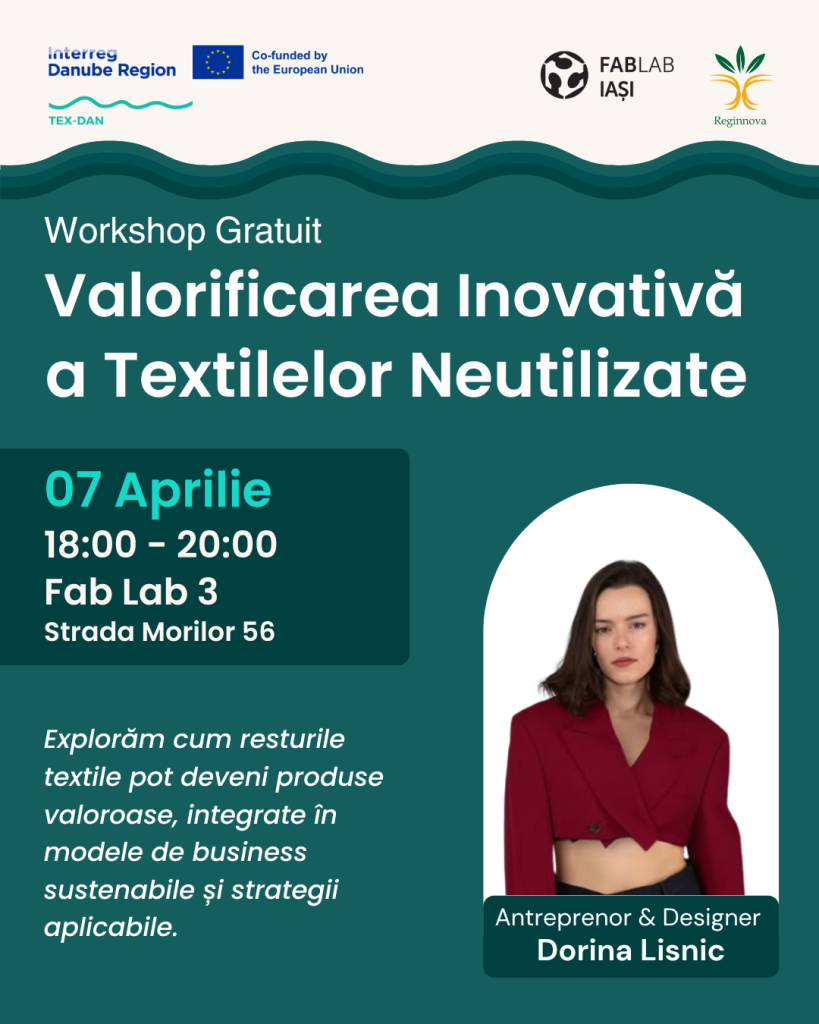
Our free TEX-DAN workshop taking place April 7th 2026 on the innovative valorisation of unused textiles brings to attention a topic that is increasingly important across Europe: how textile leftovers can become valuable resources. The workshop focuses on practical learning, networking, and real business opportunities linked to upcycling, textile waste reduction, and circular use of materials. It reflects exactly the kind of hands-on innovation the sector needs.
FashionKIC launches a new European journey
Another exciting milestone for Reginnova NE this quarter was the launch of FashionKIC, a new European cooperation project co-funded by the Creative Europe Programme. The initiative brings together seven partners from five countries to help build a more sustainable, circular, and digitally advanced European fashion ecosystem. We are delighted to be part of this collaboration and look forward to the ideas and opportunities it will generate.
No Fake Fashion training supports SMEs against counterfeiting
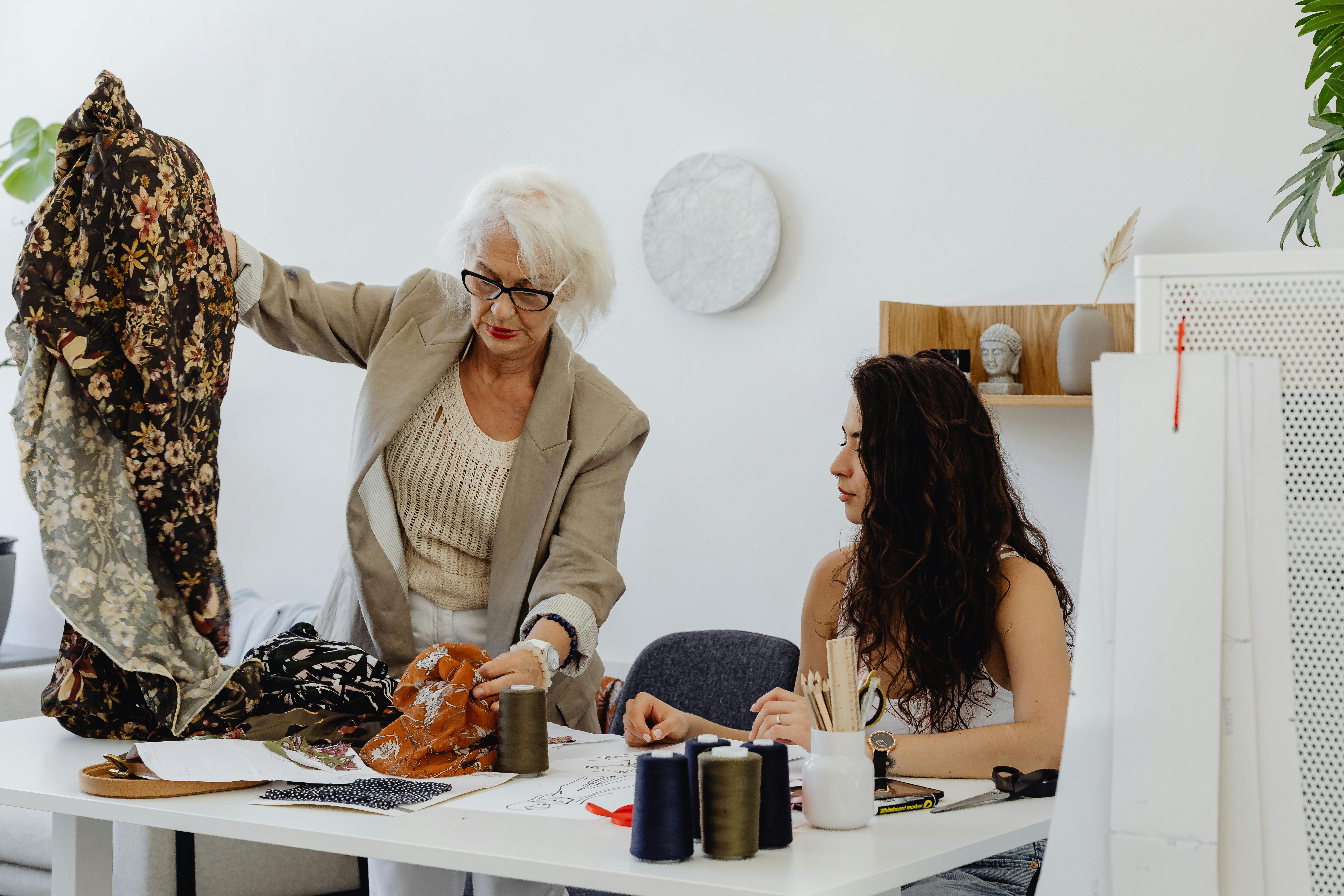
The No Fake Fashion Training is another valuable resource worth highlighting this quarter. The programme offers 12 learning pills designed to help fashion SMEs address counterfeiting using modern technologies, while also building knowledge around design, intellectual property, ethical compliance, legal risk, and quality assurance. For companies seeking practical support in fashion innovation and brand protection, this is a highly relevant initiative.

Save the Date: Upcoming TEX-DAN Events in May
Looking ahead, Reginnova NE will be hosting two important upcoming events as part of the TEX-DAN Project. On 15 May, we will organise a Regional Event for the Local Action Plan on Circular Fashion and Textiles, followed by a second event on 29 May focused on the co-creation of a Danube-wide common action plan. Further details will be shared soon, and we warmly invite interested participants to sign up using the form below to stay informed and receive updates as they become available.
Updates from our ecosystem partners
Our ecosystem partners continue to drive important conversations and developments across the European fashion and textile landscape. Here are some of their latest insights and initiatives.
01
EURATEX on Digital Product Passports for apparel
EURATEX’s latest position paper on the Digital Product Passport for apparel offers a timely industry perspective on one of the most important regulatory developments for the sector. The paper supports the DPP as a tool for transparency and circularity, while also stressing that it must remain practical, secure, interoperable, and manageable for SMEs. This is essential reading for anyone following textile regulation, ESPR, and the future of digital compliance in fashion.
02
Textile ETP brings a sharper lens to textile market strategy
In his recent Textile ETP-related article, Lutz Walter argues that traditional ways of segmenting the textile industry are no longer sufficient. He proposes a more strategic framework based on value-add and market purpose, showing why the sector needs more nuanced thinking to shape future policy and investment. It is a thought-provoking contribution for those interested in European textile strategy, competitiveness, and industrial transformation.

03
TCBL shares practical design tools for circular fashion systems
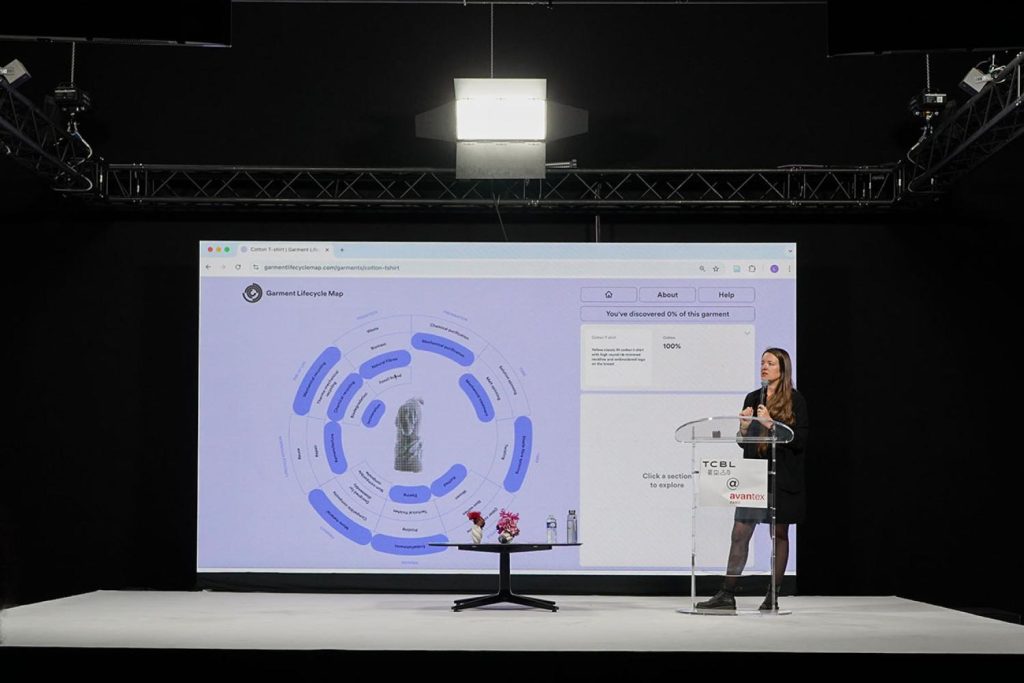
Following the AVANTEX Bio-Fashion Innovation fair, TCBL highlighted a set of strategic design tools developed through the HEREWEAR project. These include resources such as the Material Lifecycle Map, BIO TEN cards, and Garment Scenarios, all designed to support bio-based, local, and circular fashion systems. For professionals looking for practical tools rather than abstract ideas, this is a very useful resource.
Stay Connected for What’s Next
From sustainable textiles and circular fashion to digital transformation, skills, and heritage craftsmanship, Q1 has shown just how much is happening across our sector. At Reginnova NE, we are proud to contribute to this momentum by supporting innovation that is not only future-focused, but also community-rooted and collaborative.
We invite you to explore the articles and resources above and stay connected as we continue building new opportunities across the fashion and textile ecosystem.