
TEX-DAN brochure highlights
Textile Waste Solutions in the Danube Region
Textile waste is one of Europe’s fastest-growing environmental challenges, but it is also an opportunity for innovation. Across the Danube Region, businesses are finding new ways to recycle, reuse, and redesign textiles, proving that waste can become a valuable resource. This article explores some of the inspiring circular solutions identified by the TEX-DAN project, and available to read in the TEX-DAN Brochure.
The Context
The textile industry is facing a growing sustainability challenge. Across Europe, millions of tonnes of textiles are discarded every year, placing increasing pressure on landfills, incineration facilities, and natural resources. At the same time, consumers, businesses, and policymakers are becoming more aware of the environmental impact of textile production and consumption. This shift is driving a search for innovative textile waste recycling solutions that can transform waste into valuable resources.
The Danube Region is emerging as a hub for such innovation. Through the TEX-DAN project, organizations, businesses, and experts from 11 countries have come together to promote circular textile management and showcase practical solutions that reduce waste, extend product lifecycles, and create new economic opportunities.
Their work demonstrates that textile waste is not simply a disposal problem. It is a resource waiting to be utilized.

Why change
The Shift Towards a Circular Textile Economy
For decades, the textile industry has largely operated according to a linear model: resources are extracted, products are manufactured, used, and eventually discarded. This “take-make-dispose” approach has contributed to significant environmental impacts, including resource depletion, water pollution, and greenhouse gas emissions.
The circular economy offers an alternative. Instead of viewing textiles as disposable products, circular systems aim to keep materials in use for as long as possible through reuse, repair, recycling, and innovative design. The goal is to minimize waste while maximizing the value extracted from materials.
This transition is becoming increasingly important as new European policies like the European Waste Directive and the EPR encourage separate collection of textile waste and promote recycling and circular business models. For textile manufacturers and fashion brands, circularity is no longer simply a sustainability initiative; it’s becoming a business necessity as the Digital Product Passport and supporting regulations roll out across the EU.
Recognizing this shift, the TEX-DAN project has collected and promoted best practices from across the Danube Region, highlighting businesses that are already putting circular economy principles into action. These examples show that innovation can occur at every stage of the textile value chain, from product design and material selection to recycling technologies and new business models.
Innovative Textile Waste Recycling Solutions in the Danube Region
One of the most valuable aspects of the TEX-DAN initiative is its collection of real-world examples that demonstrate how companies are successfully reducing textile waste while creating economic value.
While the TEX-DAN Brochure contains over 50 examples of incredible companies incorporating innovative solutions to help them become not only more sustainable, but also more competitive, in this section we will focus on a few inspiring examples focused on new ways of recycling, upcycling, and using new waste-based materials.
Upcycling and Product Redesign
While recycling involves breaking materials down and processing them into new forms, upcycling takes a different approach. Instead of destroying existing materials, it transforms them directly into products with equal or greater value. It has gained increasing attention as it often requires fewer resources while encouraging creativity and product innovation.
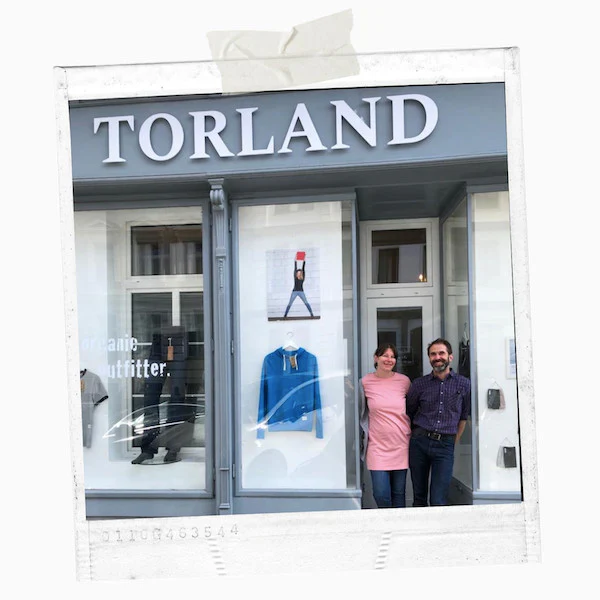
A strong example comes from Austria, where Torland integrates upcycling into its business model. The company collects old jeans and transforms them into new products, extending the life of materials that might otherwise become waste. Textiles that cannot be directly reused are recycled into new fibers and yarns, ensuring that materials remain within the production cycle for as long as possible.
This approach reflects an important principle of circularity: the highest value is often achieved by preserving materials in their existing form rather than breaking them down.
Upcycling also appeals to consumers seeking unique products with a sustainability story behind them, creating opportunities for brands to differentiate themselves in an increasingly competitive market. And as awareness of textile waste grows, upcycling is likely to play an increasingly important role in the future of fashion and product design.
Recycling Textile Waste into New Materials
Recycling remains one of the most important tools for diverting textiles from landfills and returning materials to productive use. Several organizations featured in the TEX-DAN collection have developed innovative approaches to material recovery.
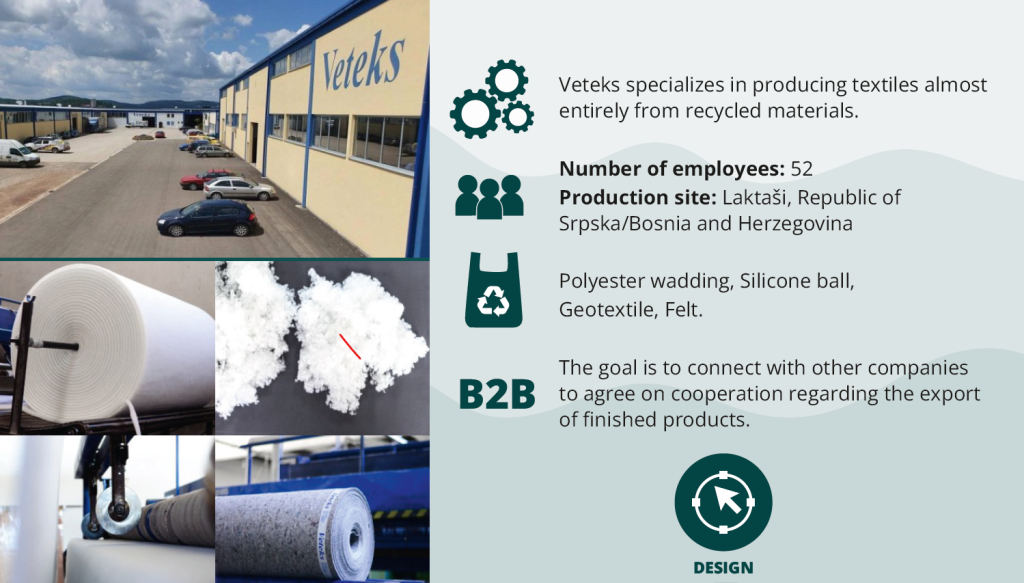
In Bosnia and Herzegovina, Veteks specializes in the collection and recycling of textile waste. The company transforms discarded textiles into products such as felt, polyester wadding, silicone balls, and geotextiles. What makes this approach particularly noteworthy is its commitment to circularity. Nearly 90 percent of Veteks’ production relies on recycled textile waste, while production residues are continuously reprocessed and reused, resulting in minimal environmental impact.
Similarly, ARCA Chrast in the Czech Republic demonstrates how advanced recycling technologies can create new value streams from textile waste. Using specialized shredding equipment, the company converts unwanted textiles into recycled fibers that are then used in nonwoven materials, insulation products, and applications within the automotive and construction industries.
These examples illustrate that textile recycling is no longer limited to low-value applications. With the right technologies and partnerships, recycled materials can become important inputs for a wide range of industries.
Bio-Based and Sustainable Materials
Some of the most exciting developments in textile sustainability involve the creation of entirely new materials derived from renewable or waste-based sources.
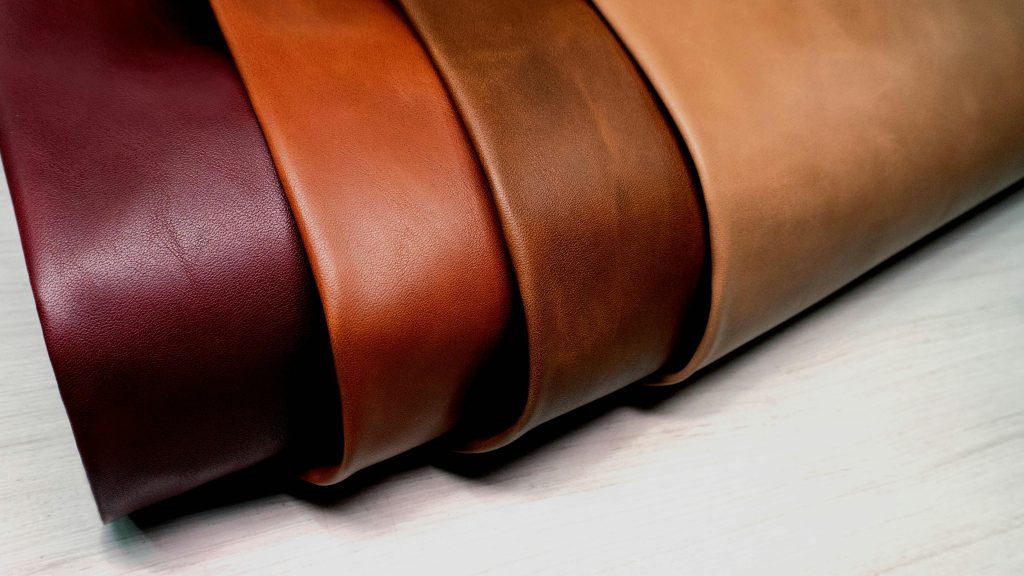
Across the Danube Region, innovative businesses are exploring alternatives that reduce reliance on conventional fibers and fossil-based materials while making productive use of agricultural and industrial by-products. HUNA, a Romanian company, is such an example, using bio-based leather like coconut leather and pinatex leather in its collections.
Magbago, based in Bosnia and Herzegovina, is pioneering the use of fabrics made from orange peel, banana fibers, lotus, hemp, and even milk-based materials. By utilizing waste streams from other industries, the company demonstrates how circular economy thinking can create sustainable alternatives to traditional textiles.
Another compelling example is Sabant from Croatia. The company produces plant-based leather alternatives using by-products from the brewing industry. Instead of allowing spent grain and other residues to become waste, these materials are incorporated into innovative leather-like products designed for fashion and lifestyle applications.
Such solutions offer significant environmental benefits. They reduce dependence on resource-intensive raw materials, create new uses for industrial by-products, and support the development of bio-based value chains. They also highlight how innovation can emerge from unexpected partnerships between sectors that traditionally operate independently.
Key Takeaways
What Can Businesses Learn from These Success Stories
Although the examples highlighted by TEX-DAN vary in size, geography, and business model, several common themes emerge, from the way waste is being thought of to how it can be transformed and incorporated in creations to make companies more competitive.
Overall, the growing volume of textile waste presents a significant challenge, but it also creates an opportunity to rethink how textiles are produced, used, and managed. Across the Danube Region, businesses featured through the TEX-DAN project are proving that practical solutions already exist.
From advanced recycling technologies and creative upcycling initiatives to bio-based materials and circular design strategies, these organizations demonstrate that textile waste can become a valuable resource rather than an environmental burden. Their experiences show that circularity is not simply an aspirational concept, but an achievable and economically viable approach that delivers benefits for businesses, communities, and the environment.
As Europe continues its transition toward a more sustainable textile sector, the examples emerging from the Danube Region provide valuable inspiration for companies seeking to reduce waste and embrace circular business models.
The question is no longer whether the textile industry can become more circular. The real question is how quickly these innovative solutions can be scaled to create lasting change.
The future of textiles depends on our ability to see waste differently. The innovators of the Danube Region have already started that journey. Will you join them?
Waste is a Resource
Successful circular businesses view waste as a resource rather than a problem. Instead of focusing solely on disposal, they actively search for ways to recover value from materials that would otherwise be discarded.
Collaboration is Critical
Collaboration plays a critical role. Many of the solutions showcased depend on partnerships between manufacturers, recyclers, designers, researchers, and technology providers. Circular economy initiatives rarely succeed in isolation; they require cooperation across the value chain.
Innovation Begins with Design
Innovation often begins with design. Products designed for durability, repairability, reuse, or recycling create opportunities for resource efficiency long before waste is generated. Businesses that integrate circular thinking into product development are often better positioned to adapt to future market and regulatory requirements.
Sustainability means Competitiveness
Sustainability and competitiveness are increasingly interconnected. Companies that invest in circular solutions frequently benefit from reduced material costs, stronger brand reputation, improved customer engagement, and access to new markets.
Want to Explore More Circular Textile Solutions?
The full TEX-DAN brochure features 54 best practices from across the Danube Region, showcasing businesses, social enterprises, designers, recyclers, and technology providers that are helping transform textile waste into valuable resources.
Whether you are a textile manufacturer, designer, policymaker, researcher, or sustainability professional, the brochure offers practical inspiration, real-world case studies, and potential collaboration opportunities.
Download the TEX-DAN Collection of Best Practices brochure to discover how organizations are advancing circular textile solutions and to find your next partner in textiles and fashion.